Concrete Steps & Stairs
Build safe, durable concrete steps and stairs that provide reliable access to your South Whittier home for decades to come.
Why Concrete Steps Make Sense
Steps and stairs are critical safety features on any property with elevation changes. They need to be solid, stable, and built to exact specifications to prevent trips and falls. Concrete delivers all these requirements better than wood, which rots and becomes slippery, or metal, which can be hazardous in wet weather. Concrete steps handle weather, heavy use, and time without deteriorating or becoming unsafe. They're the smart, permanent solution for residential and commercial properties.
In South Whittier, many homes have front entryways, back porches, or side yards with grade changes that require steps. Concrete handles our climate perfectly, resisting sun damage, occasional rain, and temperature changes without warping or rotting. Well-built concrete steps can last 50 years or more with minimal maintenance. They won't pull away from your home, develop gaps, or become wobbly like other materials sometimes do. When you invest in quality concrete steps, you're making a one-time investment that serves your property for decades.
As experienced concrete contractors in South Whittier, we build steps that meet building codes, provide safe access, and enhance your property's appearance. We understand the critical measurements and construction techniques that make steps safe and comfortable to use. Whether you need simple front porch steps or an elaborate outdoor staircase, we have the skills to build it right.
Types of Concrete Steps and Stairs We Build
We handle all types of concrete step and stair projects for South Whittier properties. Here are the most common installations.
Front Entry Steps
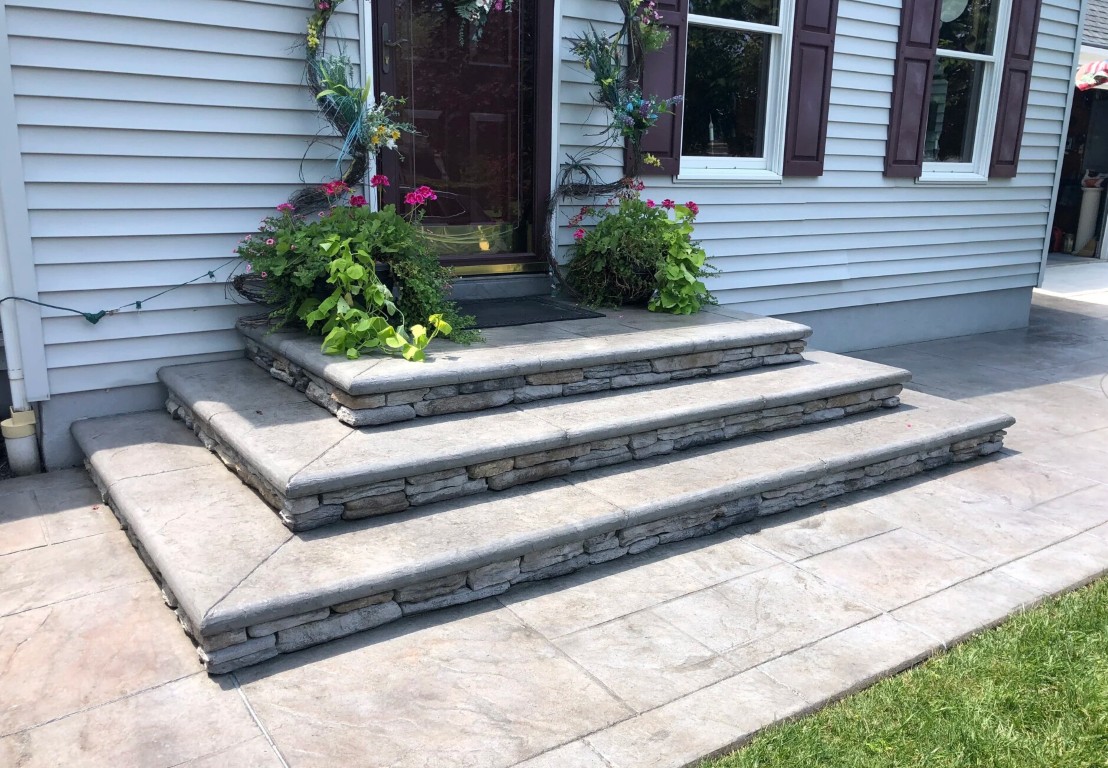
These are the steps from ground level to your front door or porch. They're typically 3 to 5 steps, sometimes with landings. Front steps make a strong first impression on visitors and need to look good while being safe and functional. We can build simple, clean steps or add decorative elements like integrated planters, curved edges, or decorative finishes. Front steps often include handrails, which we can coordinate with or install as part of the project.
Back Porch and Deck Steps
Steps from your back door to the yard or patio get heavy use from family members going in and out. These need to be durable and properly sized for comfortable, safe use. We build back steps to withstand daily traffic and weather exposure. If you're adding a patio, we integrate the steps seamlessly so everything flows together naturally.
Stairways Between Levels
Properties with significant slopes often need longer stairways with multiple steps and landings. These might connect your driveway to your front door, link different yard levels, or provide access to hillside gardens. Longer stairways require careful planning for proper rise and run measurements, adequate landings for rest stops, and consideration of handrail requirements. We design these stairways to be both safe and as comfortable as possible to navigate.
Commercial and ADA-Compliant Stairs
Commercial properties have stricter requirements for steps and stairs, including specific dimensions, handrail heights, and accessibility features. We build stairs that meet ADA requirements when needed, with proper slopes, landings, and handrail specifications. Our experience with commercial concrete work means we understand these codes and build compliant structures that pass inspections.
Critical Measurements and Safety Considerations
Building safe steps isn't just about pouring concrete in a stepped shape. Specific measurements and features make the difference between comfortable, safe steps and ones that feel awkward or dangerous to use.
- •Rise and Run: Rise is the vertical height of each step, and run is the horizontal depth. For comfortable, safe steps, each rise should be 6 to 8 inches, and each run should be at least 10 to 11 inches. All steps in a stairway must be consistent. Even small variations in step height can cause trips. We measure carefully and build to exact specifications every time.
- •Width: Steps should be at least 36 inches wide for residential use, wider for commercial applications or heavy traffic areas. Wider steps feel more substantial and allow people to pass each other comfortably. We recommend 48 inches for front entries when space allows.
- •Landings: For stairways with more than about 6 steps, landings provide rest areas and make stairs safer. Building codes often require landings at specific intervals. Landings also make it easier to navigate stairs while carrying items. We incorporate properly sized landings into longer stairway designs.
- •Tread Texture: Smooth concrete steps become slippery when wet. We always texture step treads to provide traction. This might be a broom finish, light exposed aggregate, or textured overlays. Slip resistance is non-negotiable for outdoor steps that get wet from rain or morning dew.
- •Drainage: Steps need slight forward slope on each tread so water drains off rather than pooling. This prevents ice formation in cold weather and keeps steps safer in rain. We build proper drainage into every step project automatically.
- •Handrails: Most stairways with more than three or four steps need handrails for safety and code compliance. While we're primarily concrete contractors, we work with handrail installers or can recommend options. Proper handrail placement and height are specified by building codes and crucial for safety.
These measurements and features aren't optional details. They're requirements for safe, functional steps that meet building codes and serve your property well. We follow best practices and local codes on every project.
Design and Finishing Options
Concrete steps can be as simple or decorative as you want. Here are options that enhance appearance while maintaining safety and function.
Standard Broom Finish
A traditional broom finish provides good traction and a clean, professional look. This is the most economical option and works well for any application. The subtle texture is slip-resistant without being rough, and it complements most architectural styles. For many homeowners, simple broom-finished steps are exactly what they want.
Stamped and Decorative Finishes
For more visual interest, we can apply stamped patterns that make your steps look like stone, brick, or tile. This works especially well for prominent front entry steps where you want to make a statement. Stamped steps coordinate beautifully with stamped walkways or patios, creating a cohesive look for your property.
Colored Concrete
Add color to match or complement your home's exterior. Earth tones work well for traditional homes, while grays and charcoals suit modern architecture. Color makes even simple steps look intentional and polished. We can also create borders or contrasting colors between risers and treads for added visual interest.
Exposed Aggregate
This finish reveals decorative stones in the concrete, providing excellent traction and natural beauty. It's particularly nice for steps in garden settings or properties with natural landscaping. The textured surface is very slip-resistant, making it both beautiful and practical.
Integrated Features
We can build features right into your steps. Planters on either side create welcoming entries. Integrated lighting improves safety and adds ambiance. Curved or flared bottom steps create grand entrances. Wing walls on either side provide visual weight and can include seating. These features transform basic steps into architectural elements that enhance your entire property.
Frequently Asked Questions
Here are answers to common questions about concrete steps and stairs in South Whittier.