Stamped & Decorative Concrete
Create stunning outdoor spaces with stamped and decorative concrete that looks like expensive stone, brick, or wood at a fraction of the cost.
The Beauty of Stamped Concrete
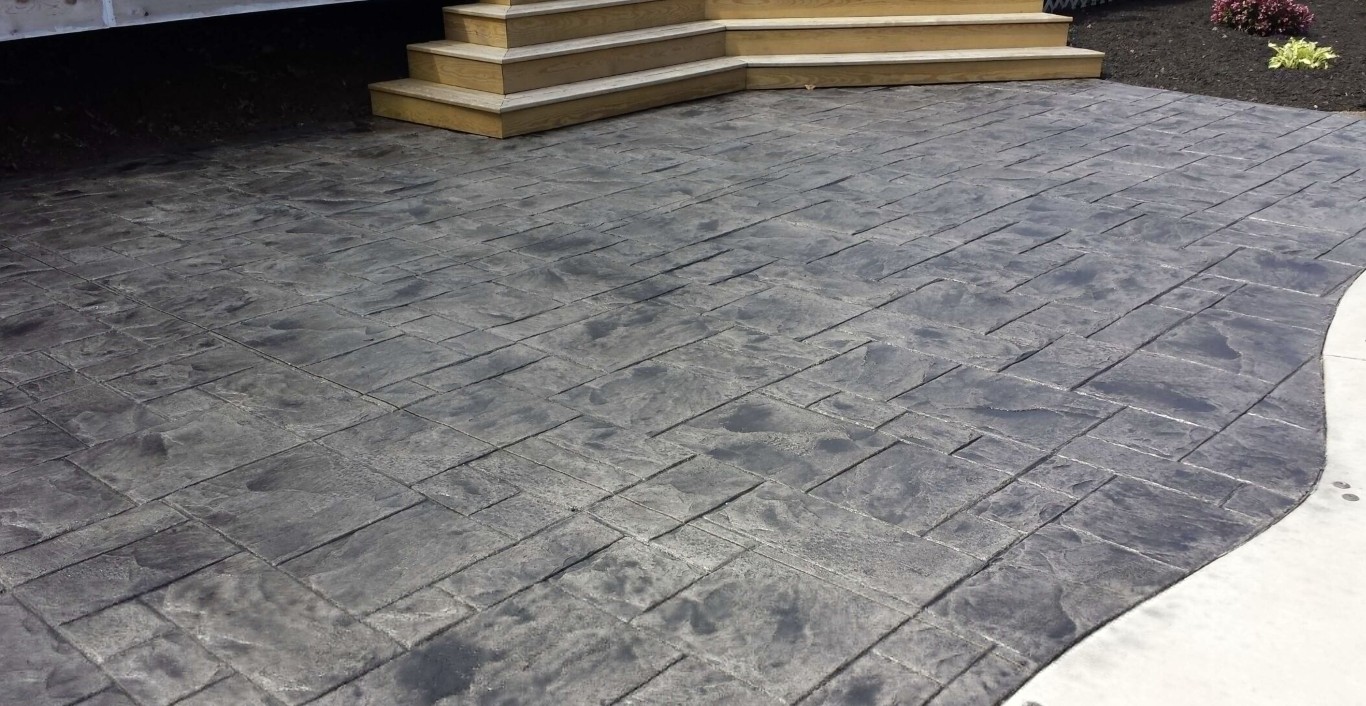
Stamped concrete gives you the luxurious look of premium materials without the premium price tag. Imagine a patio that looks like natural flagstone, a driveway that mimics brick pavers, or a walkway with the appearance of slate tiles. That's what stamped concrete delivers. We press patterns into freshly poured concrete to create realistic textures and designs that fool most people into thinking it's the real thing.
The process works by using specialized stamps, which are large mats with patterns molded into them. While the concrete is still workable, we press these stamps into the surface, leaving behind detailed impressions. We can create patterns that look like stone, brick, tile, wood planks, cobblestone, and many other materials. The results are remarkably realistic, especially when combined with color.
As a trusted concrete contractor in South Whittier, we've installed stamped concrete for countless patios, driveways, pool decks, and walkways throughout the area. Homeowners love it because they get custom, high-end looks at reasonable prices. Plus, stamped concrete is more durable and lower maintenance than many of the materials it imitates. You won't deal with shifting pavers, rotting wood, or stones that need resetting — a stamped concrete patio holds its shape and color for decades with basic upkeep.
Popular Stamped Concrete Patterns and Styles
We offer dozens of stamp patterns to choose from. Here are some of the most popular options that South Whittier homeowners request.
- •Ashlar Slate: This pattern mimics large rectangular slate tiles with natural-looking variations in size and shape. It creates an elegant, upscale appearance perfect for patios and entryways. Ashlar slate works well in both traditional and contemporary settings.
- •Random Stone: Designed to look like natural flagstone with irregular shapes and sizes, this pattern creates a rustic, organic feel. It's ideal for outdoor living spaces and works beautifully around pools and in landscaping. The random pattern ensures no two installations look exactly alike.
- •Brick Patterns: We can create running bond (traditional brick), herringbone, or basketweave patterns that look like classic brick pavers. These patterns are popular for driveways and walkways. They give you the charm of brick without the maintenance headaches.
- •Wood Plank: Surprisingly realistic, wood plank stamps create the appearance of wooden decking or hardwood flooring. This pattern works great for patios and interior concrete floors. You get the warmth of wood without worrying about rot, splinters, or constant refinishing.
- •Cobblestone: This old-world pattern features rounded stones that create a charming, European courtyard feel. It's perfect for driveways, patios, and pathways where you want a distinctive, classic look.
- •Seamless Texture Skins: These stamps create overall textures like slate, limestone, or even leather without distinct pattern lines. They provide subtle, sophisticated surface interest that works well in modern designs.
We can also combine patterns, add borders using contrasting designs, or customize the layout to fit your space perfectly. During your consultation, we'll show you sample photos and help you choose patterns that complement your home's architecture and your personal style — whether you're planning a stamped concrete patio, a decorative driveway, or a custom walkway.
Color Options and Techniques
Color takes stamped concrete from good to amazing. We use several coloring techniques to create depth, variation, and realism that makes your stamped concrete look authentic.
Base Color
We start with integral color mixed throughout the concrete. This provides your base tone and ensures consistent color even if the surface gets chipped or worn over time. Base colors range from earth tones like tan, brown, and terra cotta to grays, reds, and custom hues. The integral color gives your project a solid foundation to build on.
Color Hardener
After pouring, we broadcast color hardener powder onto the surface. This creates richer, more vibrant colors than integral color alone. Color hardener also strengthens the surface and improves durability. We typically use a base color that's lighter than your desired final shade, then apply darker color hardener for depth.
Antiquing Release Agent
Before stamping, we apply a release agent that prevents the stamps from sticking to the concrete. We use colored release agents that create an antiquing or highlighting effect. When we stamp the concrete, the release agent settles into the texture's grooves and low spots, creating natural-looking shadows and variations just like real stone or brick. This technique adds incredible depth and realism.
Accent Staining
After the concrete cures, we can apply acid stains or water-based stains to add additional color variation and enhance the natural look. Stains react differently with different areas of the concrete, creating organic color variations that you can't achieve any other way. This final touch makes stamped concrete truly look like authentic natural materials.
The Stamped Concrete Installation Process
Creating beautiful stamped concrete requires skill, timing, and experience. Here's how we transform plain concrete into decorative masterpieces.
Planning and Preparation
We start by working with you to choose patterns, colors, and layout options. We'll show you samples and photos of completed projects so you can visualize the results. Then we prepare the site just like we would for any concrete project, with proper excavation, base installation, and forming. This foundation work is critical because even the most beautiful stamped surface won't last if the base isn't solid.
Pouring and Coloring
On pour day, we place the colored concrete and spread it evenly. Once it's leveled, we broadcast color hardener if we're using it, working it into the surface. Timing is crucial at this stage. The concrete needs to be firm enough to hold a stamp impression but soft enough to accept the pattern. Our experienced crew knows exactly when conditions are right.
Stamping
We apply release agent, then begin stamping. This is where the magic happens. We carefully position each stamp to create a continuous, natural-looking pattern. We press down firmly and evenly to create crisp, deep impressions. As we work, we make sure patterns align correctly and look realistic. This step requires coordination and expertise because we're racing against the concrete's setting time.
Finishing and Sealing
After stamping, we let the concrete cure. Once it's ready, we clean off the release agent, which reveals the beautiful contrasts and textures underneath. Then we apply a high-quality sealer that protects the surface and enhances the colors. Sealer also gives stamped concrete a slight sheen that makes it look even more like natural stone. The result is a stunning surface that's ready to impress.
Frequently Asked Questions
Here are answers to common questions about stamped and decorative concrete in South Whittier.